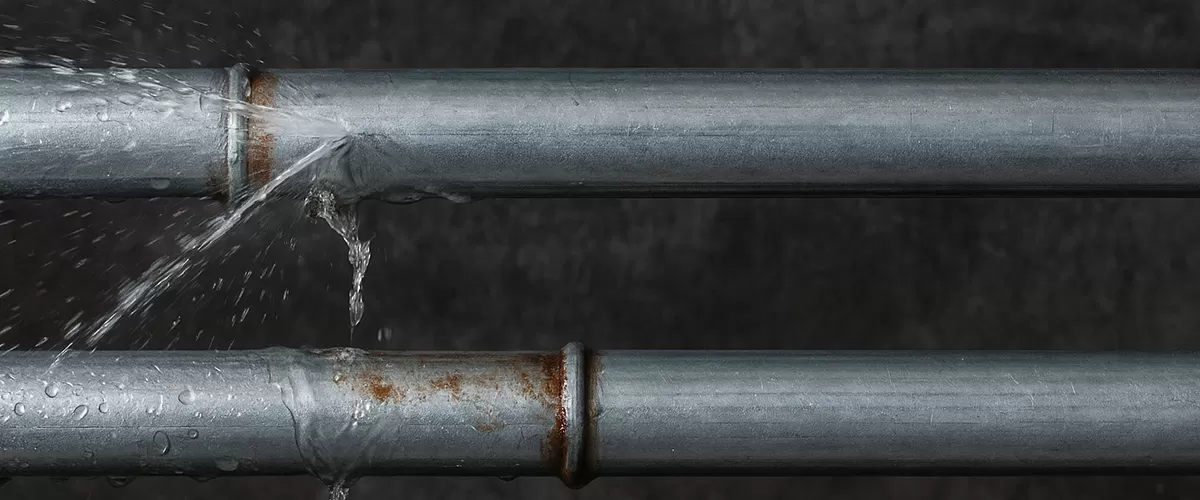
A catastrophic plumbing failure is more than an inconvenience; it is a threat to your property's structural integrity. When a pipe bursts, the resulting water ingress can compromise foundations, destroy flooring, and necessitate extensive remediation. In Sydney, where specific environmental and infrastructural factors converge, these failures are rarely random.
Burst pipes represent a significant percentage of Sydney plumbing issues. While often attributed to "bad luck," they are typically the result of identifiable systemic failures—ranging from geological shifts to material degradation. Understanding the root causes is the first step in risk mitigation.
In this technical analysis, we examine the top 5 causes of burst pipes specific to the Sydney metropolitan area, providing homeowners with the knowledge required to anticipate and prevent plumbing disasters.
At GPS Gas Plumbing Services, we specialize in high-stakes plumbing diagnostics and repair. If you detect signs of a leak or have suffered a line rupture, call us immediately on 0411 829 187 for emergency isolation and repair.
Sydney’s Unique Plumbing Landscape
The integrity of a plumbing system is dictated by its environment. Sydney presents a unique set of variables that accelerate pipe degradation compared to other regions.
- Aging Housing Stock: Suburbs such as Paddington, Balmain, and Newtown feature heritage properties with plumbing systems that date back 50 to 80 years. Many still utilize galvanized steel piping, which has far exceeded its functional lifespan.
- Climatic Stressors: Sydney oscillates between periods of intense drought and rapid, heavy rainfall. This cycle causes significant expansion and contraction in the ground, placing mechanical shear stress on underground water lines and sewer pipes.
These environmental factors effectively lower the failure threshold for residential plumbing, making vigilance and preventative maintenance essential.
The Top 5 Causes of Burst Pipes in Sydney
1. Age, Corrosion, and Material Fatigue
Material fatigue is the most prevalent cause of pipe failure in older Sydney properties. Pipes are not permanent fixtures; they have a finite service life.
Expert Analysis: Galvanized steel pipes corrode from the interior, reducing the internal diameter and increasing pressure until the metal splits. Copper pipes, while more durable, are susceptible to "pinhole" leaks caused by pitting corrosion or chemical reactions with the water supply.
In heritage suburbs like the Inner West, North Shore, and Eastern Suburbs, unrenovated homes are ticking time bombs if the original metallic plumbing has not been updated to modern copper or PEX standards.
2. Excessive Water Pressure
While high water pressure is desirable for showers, it is detrimental to pipe joints and valves. Residential plumbing is generally designed to withstand pressure up to 500 kPa. When pressure exceeds this limit, the system is subjected to constant strain.
Sydney’s topography plays a role here. Properties located at the bottom of hills or near main supply lines often receive water at significantly higher pressures than those at higher elevations.
Plumbing Insight: High pressure exacerbates "water hammer"—the shockwave created when a tap is closed suddenly. Installing a pressure limiting valve (PLV) is a critical safeguard that regulates incoming pressure to safe levels.
3. Aggressive Tree Root Intrusion
Tree roots are biologically programmed to seek moisture. In dry periods, the condensation on the exterior of pipes or minute vapour leaks from joints attract root systems. Roots from species like Ficus, Gum, and Jacaranda trees can exert immense hydraulic pressure.
Expert Analysis: Once a hairline crack is penetrated, the root grows inside the pipe, expanding the diameter of the crack until the pipe shatters. CCTV drain cameras are the only definitive way to identify early-stage intrusion before a total collapse occurs.
This issue is pervasive in Sydney’s garden suburbs, where large established trees are often situated in close proximity to sewer and stormwater lines.
4. Reactive Clay Soil and Ground Movement
The Sydney Basin sits largely on reactive clay soil. This soil type changes volume drastically depending on moisture content. During dry spells, the soil shrinks and pulls away from pipes; during rain, it swells and heaves.
Plumbing Insight: This ground movement creates structural shear forces. Rigid pipes (like earthenware or older concrete) cannot flex with the soil, leading to fractures, disjointed connections, and eventual bursting.
The drought-and-flood cycle typical of the Australian climate accelerates this process, making ground movement a primary cause of concealed underground leaks.
5. Poor Installation & Accidental Damage
Human error remains a significant factor in plumbing failures. This can manifest immediately or years after the work is completed.
- Incompatible Metals: Connecting copper directly to galvanized steel without a dielectric union causes rapid galvanic corrosion.
- Improper Bedding: Underground pipes laid without proper sand bedding are vulnerable to crushing from ground weight.
- Renovation Accidents: Drilling into walls or digging in gardens without consulting site plans often leads to accidental punctures.
With Sydney’s ongoing construction and renovation boom, the incidence of accidental damage and sub-standard installation has risen.
Expert Tip: Ensure all work is performed by licensed Sydney plumbers. Compliance with the Plumbing Code of Australia (PCA) is your best defense against workmanship-related failures.
Your Prevention & Emergency Action Plan
Proactive Prevention Tips:
- Regular Audits: Schedule a professional plumbing inspection every 2–3 years, specifically checking for signs of corrosion in exposed pipes.
- Pressure Management: Have a plumber test your static water pressure. If it exceeds 500 kPa, install a Pressure Limiting Valve.
- Vegetation Management: Avoid planting extensive root systems near known utility lines.
- Know Your Infrastructure: Locate and label your main water shut-off valve so it can be accessed instantly in an emergency.
What to Do in an Emergency:
- Isolate the Flow: Turn off the main water meter valve immediately (usually located at the front boundary).
- Electrical Safety: If water has contacted electrical fittings or pooled near outlets, cut the power at the main switchboard. Do not step in the water.
- De-pressurize: Open a lower-level tap (like a garden hose) to drain the system and reduce pressure at the burst site.
- Professional Intervention: Call GPS Gas Plumbing Services immediately. Do not attempt DIY repairs on pressurized supply lines.
Also Read: How Much Does Burst Pipe Repair Cost?
Conclusion & Call to Action
From the inevitable degradation of aging pipes to the environmental pressures of reactive soils and invasive tree roots, the threats to your plumbing system are multifaceted. A burst pipe is rarely a sudden event, but rather the culmination of long-term stress factors.
Preventative maintenance, pressure regulation, and expert diagnostics are the only reliable methods to safeguard your home against significant water damage.
If you suspect a leak or require urgent repairs, contact GPS Gas Plumbing Services on 0411 829 187 for 24/7 expert plumbing support across Sydney.